

Okay, so check this out—I’ve been bouncing between wallets for years, and rabby kept pulling me back. Whoa! At first glance it looks like another extension. But then it grew on me. My instinct said this one was built with power users in mind: transaction simulation, per-dapp approval control, and quick multi-chain switching without the fluff. Seriously? Yep. I’m biased, but that hands-on feel matters when you move large sums or do frequent trades.
Here’s the thing. Installing a wallet sounds trivial. Yet small missteps cost real money. I’ve seen people paste seed phrases into phishing pages, and that part bugs me. So I walk through the install, the setup, the simulation flow, and the security moves I actually use. Some of it is obvious. Some of it feels like common sense until it isn’t. I’ll be honest—there are trade-offs and things I still double-check every time.
Why rabby? Quick gut take, then the logic
Really? Why another wallet? Well—
Quick gut take: rabby gives power users control without making every click painful. Shortcuts for approvals. Immediate visibility on token approvals. A simulator that can save you from dumb mistakes. Those are the headline wins.
Analytically: it’s a browser extension optimized for multi-chain EVM workflows, with UX built around transaction safety. Initially I thought it was just another UI refresh. Actually, wait—let me rephrase that: at first I assumed it was just prettier, but after using the simulator and approval manager for a week, I realized it changed how I interact with dapps.
On one hand, a wallet is just software. On the other, I treat it like a small vault. So I measure it by how well it prevents accidental approvals and how easily it integrates with my hardware key. On the latter—double check compatibility before you move large amounts. Do that.
Step-by-step: Installing rabby (browser extension)
Start simple. Open your browser—Chrome, Brave, Edge (the usual suspects). Go to the official source. I prefer installing from the wallet’s official distribution page. For convenience, here is the link I use: rabby. Pause. Breathe. Verify the domain and the extension ID when you land on the store page. Phishes copy everything.
Install the extension. Add it to the browser. A small permission dialog pops up. Read it. Yes, really read it. Click the extension icon and choose either „Create wallet” or „Import wallet” depending on your situation.
Create a new wallet if you’re starting fresh. Pick a strong password for the local encryption. Write down the seed phrase on paper. Multiple copies. Not on your phone. Not in cloud notes. I repeat: offline paper backup is key. If you import, paste the seed only into the extension UI—not into any website. If you use a hardware wallet, connect it and follow the prompts; rabby supports common hardware flows though I always verify on the device screen first.
Initial configuration I do every time
Lock timeout: short. Auto-lock on switch: enabled. Notifications: minimal, but approval alerts on. Network list: prune the chains I don’t use. Add custom RPCs only from trusted sources.
Set a strong password. Enable hardware wallet pin confirmations for large moves. And yes—label your wallets. I keep a „trading” account and a „cold-ish” account. It makes mental accounting less messy, which matters when you’re doing many transactions a day.
Using the transaction simulator — the real lifesaver
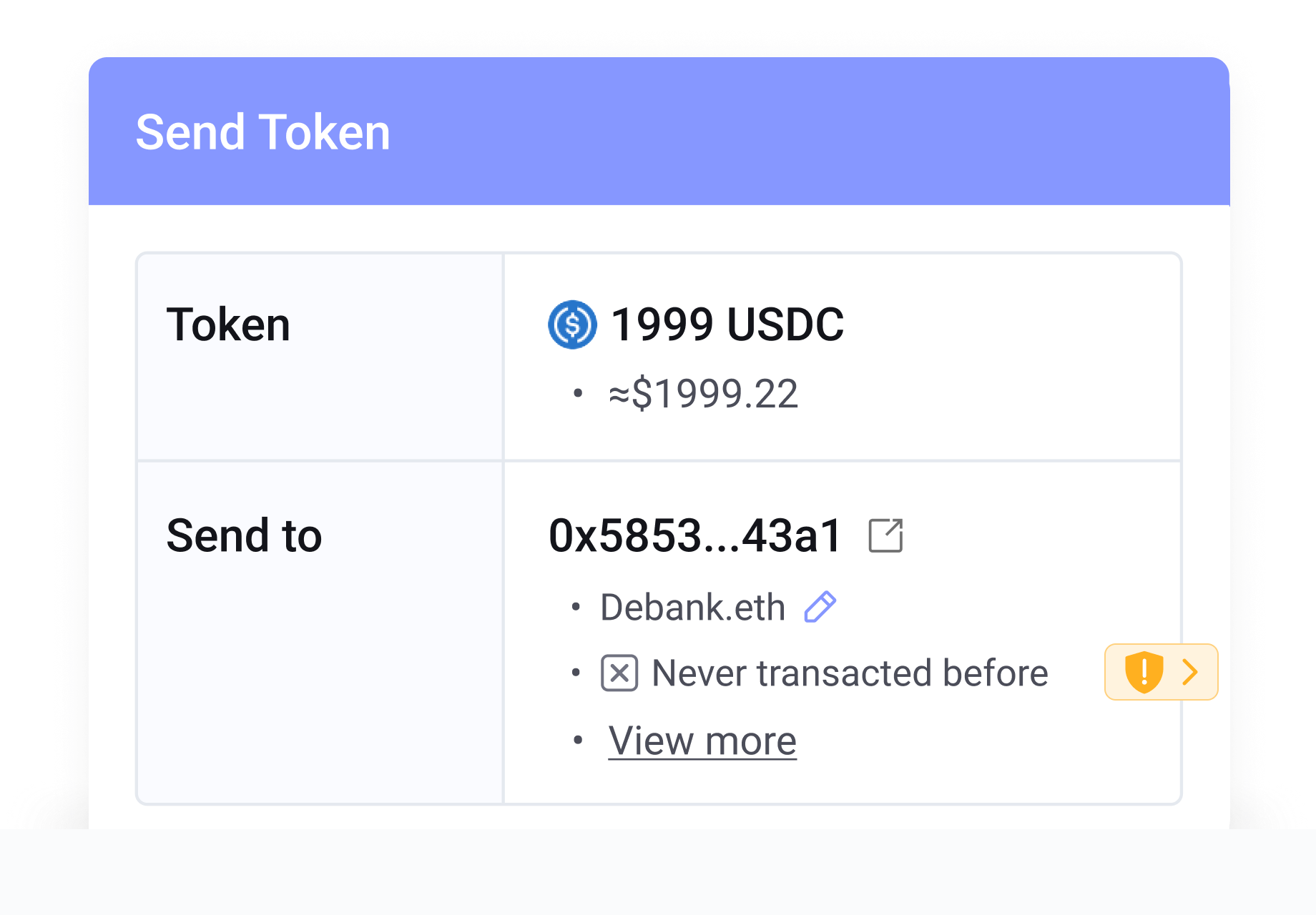
Okay, here’s where rabby shines. The simulator runs a dry-run of the transaction before you sign. Whoa, that alone prevented one of my dumbged-up approvals. It estimates gas, and it surfaces likely token changes and call traces so you can see what the contract will attempt. That clarity reduces surprises.
How I use it. Connect the wallet to a dapp like usual. When a transaction is proposed, click simulate. Read the simulation output. Look for token transfers you didn’t expect and for contract calls to unknown contracts. If something looks off, revoke and investigate. If the simulator shows a complex call tree that you don’t trust, hold off.
My instinct said „trust the UI,” but that got me once. So now I treat simulation output like a second opinion, not gospel. On one hand it flags many risky patterns. Though actually, simulation coverage can be imperfect—rare edge cases slip through. So combine the simulator with common-sense checks: contract address verification, Etherscan source code checks, and community signals.
Approval management: reclaiming control
Here’s a simple rule I follow: never give unlimited token approvals. Really. Use per-allowance approvals whenever possible. rabby’s approval manager lists active approvals and lets you revoke them from the extension. That alone cut down my attack surface.
Check approvals monthly. If you use yield farms or routers often, approvals pile up. Revoke those you don’t need. It’s tedious but worth it. I make it part of my monthly wallet hygiene, like clearing cache—except this matters more.
Hardware wallet integration and best practices
I link my Ledger for high-value moves. The flow is straightforward: pair the device, confirm each transaction on-device, and watch the extension UI for the simulator output. Your device should always display the exact transaction details. If the device screen doesn’t match what the extension shows, stop.
Always verify addresses on the hardware screen. Seriously. My habit: copy address from extension, check it on the hardware device display, then paste it in the dapp. It’s extra steps but it’s saved me from typos and clipboard malware worries.
Troubleshooting quick hits
Transactions stuck? Try toggling networks or clearing browser cache. If the extension misbehaves after an update, lock and unlock the wallet or reinstall from the official page (use the same seed to restore). Extension not showing on site? Check site permissions and make sure the dapp isn’t blocking extensions.
If you see an unexpected approval or a suspicious transaction simulation, disconnect the dapp and revoke session access. Then search contract addresses on explorers and community forums. If in doubt, don’t send funds. Ask a peer, or ask in a trusted channel. I’m not always certain, but usually the community has seen it.
Common questions from power users
Is rabby safe for large balances?
Short answer: it can be, with precautions. Use hardware wallets for the lion’s share of funds, enable strict lock settings, and leverage the simulator and approval manager. Also, never share your seed phrase and keep backups offline. I’m not 100% perfect—no software is—but these moves reduce risk a lot.
Can I use rabby on multiple browsers or machines?
Yes. Export your seed or connect your hardware wallet on each device. Just remember each install is a potential attack surface. Treat every device like it could be compromised and follow the same security checklist.
What if a simulated transaction looks fine but the actual tx fails?
Simulations estimate outcomes against current chain state; if the underlying state or mempool changes between simulation and submission, mismatches happen. Re-simulate quickly before sending if you see slippage or dynamic gas issues. Also consider using higher gas buffers for time-sensitive trades.
Okay—so where does that leave us? I’m less starry-eyed than when I started testing rabby, but more appreciative of the pragmatic features. The simulation and approval tooling change my behavior. They make me pause before I sign. That pause is worth a lot. Somethin’ about seeing a call tree before you approve just feels safer.
Final note: no wallet is magic. Use rabby as a tool in a layered defense. Hardware keys for big funds. The extension for frequent moves and simulations. Regular approval audits. And yes—keep backups off the cloud. That combination has saved me time and money—very very important stuff.
